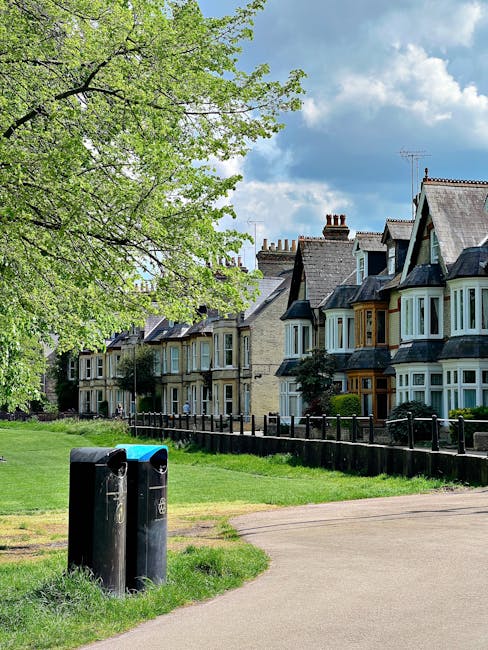
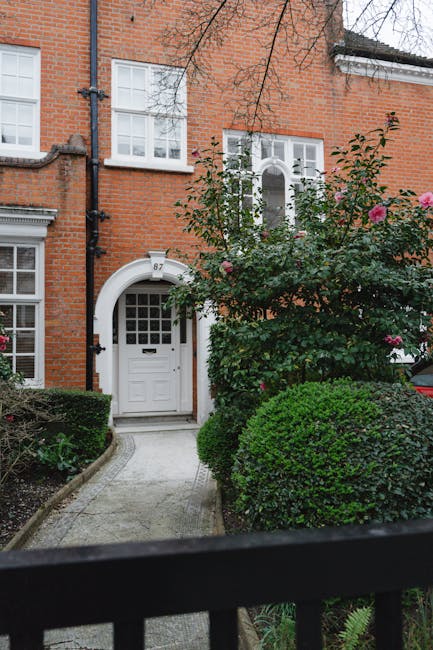
Affordable gardeners Hatch End HA5 for Small Front Gardens
Small front gardens can do a lot of heavy lifting. They frame the house, set the tone before anyone rings the bell, and quietly influence how the whole property feels from the pavement. If yours is in need of a tidy-up, a smarter layout, or a proper seasonal refresh, Affordable gardeners Hatch End HA5 for Small Front Gardens can be a very sensible choice. You do not need a huge budget or a sprawling plot to make a noticeable difference. In fact, the smaller the garden, the more every cut, plant, and edge matters.
This guide looks at what affordable gardening support can realistically achieve in Hatch End, how the work is usually approached, what to expect on costs and quality, and how to avoid paying for things you do not actually need. We will also cover local practicalities, common mistakes, and the simple steps that help a compact front garden look cared for without becoming a drain on time or money. Truth be told, that balance is what most homeowners want.
Table of Contents
- Why Affordable gardeners Hatch End HA5 for Small Front Gardens Matters
- How Affordable gardeners Hatch End HA5 for Small Front Gardens Works
- Key Benefits and Practical Advantages
- Who This Is For and When It Makes Sense
- Step-by-Step Guidance
- Expert Tips for Better Results
- Common Mistakes to Avoid
- Tools, Resources and Recommendations
- Law, Compliance, Standards, or Best Practice
- Options, Methods, or Comparison Table
- Case Study or Real-World Example
- Practical Checklist
- Conclusion
- Frequently Asked Questions
Why Affordable gardeners Hatch End HA5 for Small Front Gardens Matters
A small front garden can be deceptively tricky. There is usually less room to hide uneven borders, patchy grass, tired shrubs, or a path that has seen one winter too many. And because it sits right at the front of the property, every detail is visible. The good news? That visibility also means improvement shows quickly. A few well-chosen gardening jobs can transform the entrance in a single visit.
Affordable gardeners in Hatch End HA5 matter because they help you make those improvements without overdoing it. For many homeowners, the front garden is not meant to be a showpiece. It just needs to look neat, healthy, and welcoming. Maybe you are getting ready to sell, perhaps you are tired of the weekly battle with weeds, or maybe you simply want to stop apologising for the view from the pavement. That is a very normal feeling, by the way.
In compact spaces, value comes from restraint. A good gardener will not pile on unnecessary planting or expensive features that eat up room. They will look at sightlines, access, light levels, and maintenance needs, then suggest practical work that suits a smaller scale. That often means pruning rather than replacing, reshaping rather than rebuilding, and choosing plants that can cope with the conditions you actually have.
A tidy front garden also has everyday benefits. It can make bin days less awkward, keep paths clearer, and reduce the "this needs doing" feeling that builds up when the entrance starts to look neglected. And let's face it, once a front garden gets slightly wild, it can feel oddly bigger than it is.
How Affordable gardeners Hatch End HA5 for Small Front Gardens Works
The process usually starts with a quick assessment of what the space really needs. On a small front garden, that assessment matters more than a long list of tasks. A sensible gardener will look at the condition of the lawn or paving, the health of plants, the structure of the beds, and any practical problems such as overgrowth near windows, narrow access, or poor drainage.
From there, the work is often split into a few clear categories:
- Tidying and clearance - removing leaves, light debris, weeds, and dead growth.
- Pruning and shaping - cutting back shrubs, hedges, and plants that have become leggy or untidy.
- Bed care - edging, mulching, improving soil, and refreshing planting areas.
- Lawn or surface maintenance - light mowing, edging, moss reduction, or weed control where suitable.
- Planting advice - choosing compact, low-maintenance plants that suit a front-facing space.
For cost-conscious work, the key is prioritisation. You do not have to tackle everything at once. Sometimes the best result comes from dealing with the most visible issues first: a clean edge along the path, a few shrubs cut back properly, and the entrance swept and cleared. That alone can make the space feel brighter and more intentional.
It also helps when the gardener is transparent about what is included. If you are comparing options, look at whether the service is a one-off tidy-up, a regular maintenance visit, or a small redesign. If you want a clearer view of service scope, it is worth reading the services overview before booking. For price-sensitive projects, the pricing and quotes information can also help you understand how jobs are usually estimated.
One small but important point: affordability should not mean rushed or careless. A smaller garden is quicker to work in, yes, but it still needs proper judgement. A good job looks simple from the outside because the decisions behind it were sensible.
Key Benefits and Practical Advantages
Affordable garden work for compact front gardens is less about luxury and more about getting reliable, visible improvement for a fair cost. That sounds straightforward, but in practice the benefits can be surprisingly broad.
1. Better kerb appeal without overspending
A neat entrance changes the first impression of the property immediately. Trimming a hedge, controlling weeds, and sharpening up the borders can make a house feel better maintained even if you have not changed the planting at all. This is especially useful if you are planning a viewing, expecting visitors, or simply want the place to feel more cared for.
2. Less maintenance week to week
A compact front garden can become high-maintenance if it is left to drift. The right tidy-up can reduce future work by removing problem growth, improving access, and making the space easier to sweep, water, or mow. That means less time spent fiddling with little jobs every Saturday morning.
3. Smarter use of a small space
In small gardens, layout matters as much as planting. A good gardener will often suggest opening up a cramped corner, lifting a plant that is blocking light, or reducing visual clutter. Tiny changes can make the area feel more balanced. You notice it when you open the front door and there is just more breathing room.
4. Healthier plants and fewer ongoing problems
Removing dead material, shaping overgrown growth, and improving airflow can help plants recover. It also makes it easier to spot issues early, like pest damage, fungal disease, or poor drainage. None of that is glamorous, but it saves bother later.
5. Better safety and access
Front gardens are walk-through spaces. Paths should be clear, steps should not be slippery, and planting should not force you to brush past thorns or low branches every time you take the bins out. A practical gardener will think about that without making it a drama.
Expert summary: the best affordable front-garden work is usually the kind that removes problems first, then improves shape, balance, and access. In small spaces, less really can be more.
Who This Is For and When It Makes Sense
This kind of service suits a wide range of homeowners and landlords in Hatch End HA5. You do not need to be dealing with a full garden overhaul. Often, the need is far more modest than that.
- Busy households that want the front of the property kept tidy without spending every weekend on it.
- Older homeowners who want help with the more physical bits such as pruning, clearing, or lifting waste.
- Landlords and letting agents who need a presentable entrance between tenancies or inspections.
- Homeowners preparing to sell and needing a clean, reliable first impression.
- People with limited outdoor space who want low-maintenance structure rather than a complicated planting scheme.
It makes sense when your garden looks a little tired but not beyond hope. That is often the sweet spot. A front garden with a few scruffy shrubs, compacted soil, weeds in the paving, or an untidy border can usually be improved efficiently. If, however, there is major hard landscaping damage or a full redesign required, that is a different sort of project and may need a bigger budget or more time.
Ask yourself a simple question: do you want the space to look better, work better, or both? If the answer is both, then a focused, affordable gardening visit is often the most practical route. No grand gesture required.
Step-by-Step Guidance
If you are approaching a small front garden for the first time, it helps to think in stages. That keeps the work affordable and prevents the usual "let's just do everything at once" trap. Been there, regretted that. A bit of discipline saves money.
Step 1: Walk the space slowly
Start from the pavement or gate and look at the garden as a visitor would. What catches your eye first? Overgrown edges? A path swallowed by weeds? A plant blocking a window? Make a short list of the visible issues, not every tiny flaw.
Step 2: Separate urgent work from nice-to-have work
Urgent work usually includes safety, access, or obvious neglect. Nice-to-have work may include decorative planting, finer shaping, or reshaping beds. If the budget is tight, solve the urgent items first. The garden will still look better, and you can build on it later.
Step 3: Decide what to keep
In small spaces, keeping a healthy shrub or a well-placed evergreen can save money and preserve structure. Removing everything is rarely the best answer. A gardener with a good eye should be able to tell what is worth retaining and what is simply taking up too much room.
Step 4: Choose a maintenance level
Be clear about whether you want one-off tidying, seasonal visits, or regular upkeep. A one-off job is useful for catching up. Regular care is usually better if the garden tends to slide back quickly. The right answer depends on how much time you realistically want to spend yourself.
Step 5: Ask for a simple scope of work
A practical scope should say what will be done, what will not be done, and whether waste removal is included. This avoids awkward surprises later. If you want to understand how that is usually structured, have a look at the company's about us page for the kind of service approach you can expect, and keep the final decision tied to your own needs.
Step 6: Review the result against your original goal
Once the work is done, compare it to your list from Step 1. Did the entrance feel more open? Is it easier to walk past? Does the front of the house look cared for? If yes, that is a good result. It does not have to be dramatic to be worthwhile.
Expert Tips for Better Results
Small gardens reward careful decisions. A few experienced habits can make an affordable job look far more polished than a rushed one.
- Keep planting simple. Two or three well-placed, compatible plants often look better than a crowded mix of colours and heights.
- Use edges deliberately. Clean borders around paths and beds make even a modest garden feel neat.
- Think vertical. In a small front space, a tidy climber or upright shrub can add shape without eating the whole garden.
- Choose plants that suit the light. A north-facing front garden will need different choices from a sunny, south-facing one. Sounds obvious, but it gets overlooked a lot.
- Prioritise evergreen structure. A small amount of year-round greenery helps the garden look presentable in winter when annuals have packed up for the season.
- Leave room to move. If you are always sidestepping leaves, pots, or branches, the layout is probably too tight.
A very practical tip: do not let every surface become a feature. In front gardens, too many pots, ornaments, and different materials can create visual noise. A cleaner composition often feels more expensive than a cluttered one, even when it cost less. Funny how that works.
If you are keen to keep costs sensible while still using proper waste handling, it may help to review the company's recycling and sustainability approach. That is especially useful after pruning or clearance work, when you want cuttings, leaves, and debris handled responsibly.
Common Mistakes to Avoid
Small front gardens often go wrong for very simple reasons. Not dramatic ones. Just little choices that build up.
Trying to cram too much in
People often want colour, privacy, low maintenance, and instant impact all in one tiny space. Fair enough. But the result can become cramped and awkward. Less clutter usually means more beauty.
Ignoring the path and entrance line
The eye naturally follows the route to the door. If that line is blocked by drooping plants, weeds, or uneven growth, the whole garden feels messy even if the borders are fine.
Choosing plants that outgrow the space
Some shrubs look ideal in a pot or on a label and then quietly become monsters. In a small front garden, size at maturity matters more than size at purchase.
Skipping maintenance after the first tidy-up
The first visit often makes a huge difference, but the effect fades if no follow-up happens. Even light seasonal care can preserve the improvement. Otherwise, you are back to square one, which is a bit annoying, to put it mildly.
Not asking what is included in the price
Affordable does not mean vague. Always ask whether waste removal, pruning height, bed weeding, and small tidy-up tasks are part of the job. Clarity at the start prevents misunderstanding later.
Tools, Resources and Recommendations
You do not need a shed full of specialist kit to maintain a small front garden. The basics usually do most of the work.
| Need | Useful approach | Why it helps in a small front garden |
|---|---|---|
| Weed control | Hand weeding, careful edging, regular clearing | Small spaces show weeds quickly, especially around paving and borders |
| Shape and structure | Light pruning and selective trimming | Preserves room and prevents the entrance from feeling blocked |
| Seasonal freshness | Mulch, refreshed planting, leaf clearance | Keeps the space tidy and helps soil hold moisture |
| Low maintenance look | Evergreen planting, compact shrubs, simple borders | Reduces the amount of weekly upkeep needed |
| Safe access | Clearing steps, tightening edges, keeping sightlines open | Makes the approach to the door easier and safer |
For homeowners comparing providers, it is sensible to look beyond the headline price. Read the insurance and safety information, especially if the work includes ladders, cutting tools, or heavier clearance. You can also review the health and safety policy if you want to understand how site care and safe working are handled.
And if you are the sort of person who prefers the paperwork side to be tidy too, the terms and conditions, privacy policy, and payment and security pages are sensible places to check before confirming any booking. Not exciting, I know, but reassuring.
Law, Compliance, Standards, or Best Practice
Most small front-garden work is straightforward domestic maintenance, but there are still some sensible standards to keep in mind. Professional gardeners should work safely, handle waste responsibly, and respect access around the property. Where tools, ladders, or powered equipment are used, the approach should be cautious and proportionate.
For homeowners, the main practical point is to avoid asking for work that creates unnecessary risk. For example, overreaching hedge cuts, unstable ladder use, or leaving sharp debris near the path are all avoidable issues. Good practice is not fancy; it is mostly common sense done properly.
If you are arranging work at a property with shared access, limited frontage, or vulnerable surfaces, it helps to mention those details early. A small front garden can still have awkward angles, fragile paving, or tight access near walls and windows. Those are exactly the things that experienced gardeners look for before they start.
It is also reasonable to ask how waste will be dealt with. Green waste should not just disappear by magic. It should be collected, sorted, or disposed of in line with the agreed service. A company that takes sustainability seriously will usually be happy to explain its approach in plain language. That is a good sign.
Options, Methods, or Comparison Table
Choosing the right approach is often about matching the level of service to the actual condition of the garden. Here is a simple comparison that may help.
| Option | Best for | Typical strengths | Possible downside |
|---|---|---|---|
| One-off tidy-up | Overgrown or neglected front gardens | Fast visible improvement, useful before visitors or a sale | May need follow-up to keep it looking sharp |
| Seasonal maintenance | Gardens that drift over time | Balances cost and consistency | Less dramatic than a full reset |
| Light redesign | Spaces with poor layout or awkward planting | Improves structure and long-term ease of care | Costs more than simple maintenance |
| Regular upkeep plan | Busy households and landlords | Keeps the frontage consistently neat | Requires ongoing commitment |
In many small front gardens, the sweet spot is a one-off tidy-up followed by light seasonal visits. That keeps the budget under control while stopping the garden from sliding back into chaos. Chaos is perhaps too dramatic a word, but you know what I mean.
Case Study or Real-World Example
Here is a realistic example. A homeowner in Hatch End had a narrow front garden with a short path, two shrubs near the window, weeds around the edging, and a small bed that had become a bit lost under leaf litter. Nothing major. Just enough to make the house look slightly tired from the pavement.
The work was kept focused. The shrubs were reduced carefully rather than removed, the border was cleared and edged, the path was weeded, and the bed was tidied so the remaining planting could actually be seen. A little mulch finished the space and made the soil look cared for.
The result was not dramatic in a flashy sense. It was better than that. It looked clean, proportionate, and calm. The entrance felt wider. The light reached the front more easily. And because the work was selective, the cost stayed sensible.
That is usually what affordability looks like in practice: not the cheapest possible option, but the most useful work for the amount spent. The difference matters. A lot, actually.
Practical Checklist
Use this checklist before booking or during a garden review. It is simple, but it keeps the project grounded.
- Walk from the street to the front door and note what looks untidy first.
- Decide whether the goal is a one-off tidy-up or regular maintenance.
- Identify any plants that should be kept, reduced, or removed.
- Check for weeds in paths, edging, and cracks near the entrance.
- Make sure access is clear for tools and waste removal.
- Ask what is included in the price and what is extra.
- Confirm whether waste will be taken away or left for you to deal with.
- Consider low-maintenance planting if the space is hard to keep on top of.
- Ask about safety, insurance, and working practices if heavier equipment is involved.
- Review the result against your original goal: neater, safer, easier, better looking.
Helpful reminder: a small front garden usually needs less work than people think, but it does need the right work. That is the trick.
Conclusion
If you want a front garden that looks tidy, welcoming, and easier to live with, affordable gardening support in Hatch End HA5 can make a genuine difference. The best results usually come from clear priorities, sensible planting choices, and a careful approach that respects the limits of a smaller space.
For many homeowners, the value is not in dramatic transformation. It is in the quiet, everyday improvement you notice when you come home and the entrance simply looks looked after. Cleaner edges. Better balance. Less clutter. That kind of thing makes a bigger difference than people expect.
Choose a service that understands small spaces, asks the right questions, and explains its work clearly. If you want to explore the next step, take a look at the service options and then reach out when you are ready to talk through what your front garden actually needs.
Get a free quote today and see how much you can save.
Sometimes the smallest outside spaces give the biggest sense of relief once they are sorted. A neat front garden has a quiet kind of charm, and honestly, that never goes out of style.
Frequently Asked Questions
What do affordable gardeners in Hatch End HA5 usually do for small front gardens?
They usually focus on the most visible and practical jobs: weeding, edging, pruning, light clearance, tidying borders, and improving the overall shape of the space. In a small front garden, that often gives the best result for the money spent.
How much work can be done in a small front garden on a limited budget?
Quite a lot, if the work is focused. A modest budget can often cover a tidy-up, some careful pruning, and a clean edge to the garden. The key is to prioritise the problems that are most visible or most likely to cause ongoing maintenance headaches.
Is it better to have a one-off tidy-up or regular maintenance?
It depends on how quickly the garden gets messy again. If the space only needs a seasonal reset, a one-off visit may be enough. If weeds, hedges, or shrubs keep returning to the same state, regular maintenance is usually more cost-effective over time.
What makes a front garden look good without expensive planting?
Structure. Clean borders, simple shapes, healthy plants, and clear access make a big difference. A small front garden can look excellent with just a few well-chosen plants and a tidy layout. You do not need a lot of material to make it feel intentional.
Can a gardener help if the front garden is overgrown?
Yes, as long as the job is assessed properly. Overgrown shrubs, weeds, and debris can often be brought back under control with selective pruning and clearance. If the growth is severe, it is worth discussing what can be restored and what may need replacing.
Do small front gardens need different plants from larger gardens?
Usually, yes. Compact or slow-growing plants tend to work better because they are easier to keep within bounds. Evergreen structure, tidy shrubs, and plants suited to the light conditions are often a better fit than anything that spreads aggressively.
How do I know if a gardening quote is fair?
Look at what is included, not just the headline figure. A fair quote should clearly explain the tasks, waste handling, and any extras. The price should reflect the size of the job, the access, and the time needed. If something is unclear, ask before agreeing.
Should waste removal be included in the service?
It often should be, or at least discussed clearly. Garden waste from pruning and clearance can take up space quickly, even in a small job. Make sure you know whether it is being removed, recycled, or left for you to handle.
What are the main mistakes people make with small front gardens?
The biggest mistakes are overcrowding the space, choosing plants that grow too large, ignoring the entrance path, and letting maintenance slide after the first tidy-up. A small garden can go from neat to awkward surprisingly fast if it is not managed carefully.
Can a small front garden increase the feel of a property without major changes?
Absolutely. A clean entrance, better planting balance, and a clear path can make the whole house feel more cared for. It is one of those improvements that quietly changes how the property is experienced every day.
What should I ask before booking a gardener in Hatch End HA5?
Ask what is included, whether the gardener is insured, how waste is handled, how long the work is likely to take, and whether they have experience with compact front gardens. Those questions help you compare properly and avoid misunderstandings.
Where can I learn more about the company's policies and approach?
You can review the about us, health and safety policy, insurance and safety, and contact us pages to understand how the service is presented and how to get in touch.