Recycling and Sustainability at Gardening Hatch End
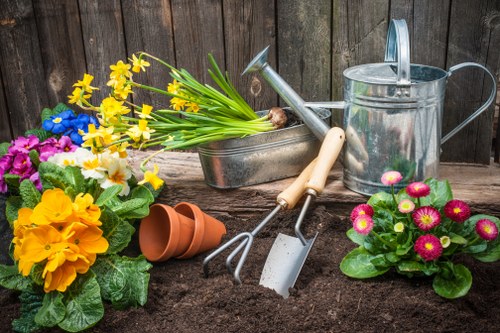 Gardening Hatch End is committed to creating an eco-friendly waste disposal area and a vibrant, sustainable rubbish gardening area that serves residents and community gardeners alike. Our approach merges practical recycling work with greener gardening: diverting garden cuttings, soil, and packaging away from landfill and back into productive reuse. We champion a clear borough-style approach to waste separation: food waste, garden waste, dry mixed recycling (paper, card, glass, plastics, cans) and residual rubbish are handled through distinct streams to maximise resource recovery.
We set an ambitious recycling percentage target: a community goal of 65% recycling rate by 2028 for Gardening Hatch End operations and partner activities. This target drives collection schedules, sorting systems, and volunteering programmes that reduce landfill volumes and increase compost and material reuse. Our sustainable rubbish gardening area supports on-site composting of green waste and partnership channels for timber and metal recycling so that less than a fifth of site waste goes to residual disposal.
 In line with the boroughs' shared systems, we coordinate with local transfer stations to streamline material flows. Collections are routed to nearby civic transfer stations and recycling centres in the borough and neighbouring councils, making sure garden arisings and separated recyclables are processed efficiently. This connection with transfer units shortens transport distances and improves the yield of recyclable materials from community garden collections.
Local transfer stations and resource hubs
Gardening Hatch End works closely with municipal transfer facilities and reuse hubs. By using designated transfer points, bulky green waste, soil, and wood are either composted, chipped, or sent to material recovery centres. The partnership with local transfer stations ensures compliance with borough-level waste separation rules and helps to keep vehicle miles and carbon output lower by consolidating loads.Operationally, our sustainable rubbish gardening area provides sorting bays and signage to help volunteers and residents separate streams at source. We encourage proper separation of paper and card, glass bottles, plastic pots, and metal cans, and we maintain dedicated food-waste caddies for compostable kitchen scraps generated during workshops and events. Clear bin labelling, small-scale depots, and volunteer training all contribute to higher recycling yields.
Partnerships with charities and community reuse
We form close ties with local charities and reuse organisations to extend the life of garden equipment, soil conditioners, and salvageable materials. Through partnerships with community gardens, social enterprises and furniture or tool-reuse charities, usable items recovered from site clearances are refurbished or redistributed. These collaborations reduce waste and support local social and environmental goals. Low-carbon transport and collection is central to our low-impact model. Collections for recycled garden waste and mixed recyclables are run using low-emission vehicles: electric and hybrid vans, and where possible small electric cargo bikes for short neighbourhood rounds. These low-carbon vans reduce the site's transport emissions and are integral to our pledge to lower the carbon footprint of site logistics.
Operational measures include route optimisation, load consolidation at transfer stations, and scheduled drop-offs that match local treatment capacities. We monitor vehicle emissions and favour contractors with electric fleets as they become available, demonstrating Gardening Hatch End's commitment to a low-carbon collection network that complements our recycling ambitions.
 To support behaviour change and transparency, we publish regular progress updates on recycling performance and material flows within the community. Simple dashboards show amounts composted, tonnes of green waste diverted, and the cumulative percentage progress toward our recycling percentage target. Education sessions highlight the borough approach to waste separation and explain why separating food and garden waste matters for both climate and soil health.
We also provide targeted programmes for seasonal surges in garden waste and run swap-days where surplus soil, pots, and tools are exchanged or donated rather than discarded. This reduces demand for new materials and supports circular use in local horticulture. Our sustainable rubbish gardening area therefore acts as a resource loop: inputs become outputs for community benefit.
Key actions you can expect from Gardening Hatch End's recycling and sustainability plan include:
- Consistent separation of food, garden, dry recyclables, and residual waste at source;
- Use of local transfer stations to shorten transport and improve material recovery;
- Partnerships with charities and social enterprises to reuse or refurbish salvageable items;
- Deployment of electric and low-emission vans and cargo bikes to reduce transport carbon.
Our commitment is practical and measurable: by combining a clear borough-style separation strategy with reuse partnerships and low-carbon logistics, Gardening Hatch End aims to lead by example in sustainable community horticulture and eco-friendly waste disposal. We invite local gardeners, groups and volunteers to join our recycling initiatives and help reach the 65% target while making our green spaces cleaner, healthier and more circular.