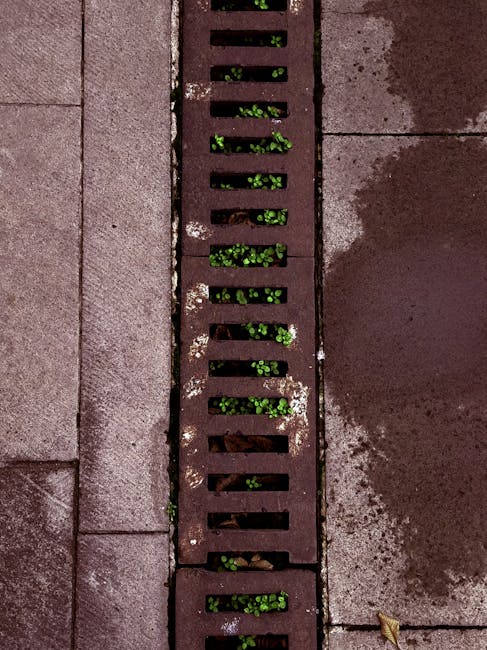
Common problems with garden drainage Hatch End gardeners
If your lawn stays soggy after a light shower, if borders turn into sticky clay, or if water sits around a patio long after the rest of the garden has dried, you are not imagining it. Common problems with garden drainage Hatch End gardeners deal with are usually a mix of soil type, surface levels, blocked channels, and awkward landscaping decisions made years ago. The good news? Most drainage issues can be understood, managed, and improved without tearing the whole garden apart.
In Hatch End, gardens often have a fairly ordinary-looking problem that behaves anything but ordinary. A patch of compacted soil here, a paving run that slopes the wrong way there, maybe a tree root or two doing its own thing underground. Suddenly the whole space feels wetter, heavier, and harder to use. This guide walks through the main causes, what they mean in practice, and what sensible next steps look like.
If you are planning broader outdoor improvements, it can help to look at the bigger picture too. Services such as garden services overview and landscaping support are often part of the solution, not just the drainage fix itself.
Table of Contents
- Why these drainage problems matter
- How garden drainage works in simple terms
- Key benefits of solving drainage properly
- Who this is for and when it makes sense
- Step-by-step guidance
- Expert tips for better results
- Common mistakes to avoid
- Tools, resources and recommendations
- Law, compliance, standards and best practice
- Options and comparison table
- Case study or real-world example
- Practical checklist
- Conclusion
- Frequently asked questions
Why Common problems with garden drainage Hatch End gardeners Matters
Drainage problems are more than a nuisance. Left alone, they can affect almost every part of a garden's performance. Grass roots struggle in saturated soil, paving becomes slippery, plants rot, and muddy areas get worse each time someone walks across them. In practical terms, you lose usable space. In some cases, water can start moving toward sheds, fences, house walls, or neighbouring boundaries, which is where a simple garden issue becomes a more expensive one.
There is also the day-to-day frustration. A garden that should be a place for relaxing, barbecues, or a bit of quiet weekend work becomes something you avoid after rain. Let's face it, nobody wants to step into a patch of waterlogged turf in trainers first thing on a Saturday.
For Hatch End homeowners, drainage matters because local gardens often combine established planting, mature trees, hard surfaces, and compacted ground from regular use. That combination can create slow-draining pockets even where the garden appears level. A careful drainage plan can protect both the garden's appearance and its long-term structure.
Expert summary: drainage problems usually get worse when they are treated as a surface issue only. The real cause is often below the top layer, where soil, levels, and water movement are doing all the damage.
If drainage is tied to overgrown borders or blocked access, garden clearance support can make diagnosis much easier. It is harder to spot the real issue when beds are full of debris and old growth. Bit obvious, but true.
How Common problems with garden drainage Hatch End gardeners Works
Garden drainage is simply the way water moves through, across, or away from a garden after rainfall or watering. In a healthy setup, water soaks into the soil at a manageable rate or runs toward a planned outlet, such as a soakaway, gully, channel drain, or natural fall away from the property.
When drainage is poor, one or more parts of that system fail. Water may not absorb quickly enough because the soil is compacted or clay-heavy. It may be trapped because the garden has no fall. It may be redirected by paving, sleepers, fences, or raised beds. Sometimes, the issue is a combination. That is why drainage problems often seem mysterious at first and then surprisingly straightforward once you trace the water path.
Common drainage patterns gardeners see
- Surface pooling after rain, especially on lawns or paving.
- Slow seepage where the soil remains wet for days.
- Runoff where water rushes across paths or slopes instead of soaking in.
- Overflow from gutters or channels that pushes water into the garden.
- Localised boggy spots near trees, borders, or old utility runs.
Good drainage work starts with observation. Where does the water first appear? Where does it collect? Does it happen only in winter, or after every decent rainfall? These questions matter more than people think. A garden can be perfectly manageable in July and still fail badly in February.
That is why many professionals pair drainage improvement with regular upkeep from garden maintenance. If lawns, beds, and edges are looked after consistently, it becomes much easier to spot changes before they turn into proper problems.
Key Benefits and Practical Advantages
Fixing drainage is not just about getting rid of puddles. It changes how the whole garden behaves.
- Healthier planting: roots breathe better in free-draining soil, which reduces rot and fungal stress.
- Better lawn quality: turf is less likely to thin out, smear, or get compacted into mud.
- Safer surfaces: paths, patios, and steps are less slippery after rainfall.
- Improved usability: you can actually enjoy the garden after wet weather instead of waiting for it to recover.
- Lower repair risk: standing water can accelerate damage to decking, edging, timber, and adjacent structures.
There is another benefit people often overlook: better drainage makes routine care easier. Mowing, hedge work, pruning, and general tidying all become simpler when the ground is stable. If you have ever tried to cut a lawn that feels like a sponge, you will know exactly what that means. A smoother site also supports lawn mowing services because the mower isn't fighting against wet, uneven ground every single visit.
And for gardens with hard landscaping, getting drainage right before adding new features can save a lot of grief later. New patios, paths, or seating areas depend on firm, well-thought-out ground conditions. That includes projects linked to decking services, where trapped moisture can cause avoidable problems if the base and surrounding levels are wrong.
Who This Is For and When It Makes Sense
This topic matters to quite a few people, not just those with obvious puddles.
- Homeowners whose lawns stay wet for days after rain
- People planning new planting, paving, decking, or border changes
- Gardeners dealing with moss, mud, or weak grass growth
- Anyone noticing water near a house wall, fence line, or shed base
- Landlords and property managers wanting to keep outdoor space usable
- Households preparing a garden for easier long-term maintenance
It also makes sense if you are seeing changes over time. A garden that used to drain well but now feels heavier may have compacted soil, blocked channels, root growth, or a level issue developing slowly. These are not always dramatic failures. Sometimes it is just one more season of water hanging around a little too long.
If your garden has grown in complexity, with mature trees or layered planting, it may be worth looking at tree lopping and removal options as part of the wider solution. Roots can influence drainage in ways that are easy to miss until you are standing in a soggy border wondering where the water is actually going.
Step-by-Step Guidance
Here is a practical way to approach drainage problems without overcomplicating it.
- Watch the water after rainfall. Note where pooling begins, how long it stays, and whether the same spot keeps returning.
- Check the soil texture. If it is sticky, dense, or hard when dry, compaction or clay content may be part of the issue.
- Look at garden levels. Even small slopes can send water toward one area and trap it there.
- Inspect nearby structures. Paths, patios, walls, edging, sheds, and beds can all redirect flow.
- Clear debris. Leaves, moss, cuttings, and silt can block drains, channels, and surface outlets.
- Test the area again. After a clean-up, see whether the problem improves or remains stubbornly in place.
- Decide on the fix. This might be aeration, regrading, a drainage channel, a soakaway, or a broader landscaping adjustment.
A good rule of thumb: if the problem is small and localised, start with the least disruptive option. If it affects a large area or keeps returning, you probably need a more structural answer. Repeating a quick patch job can feel cheaper, but it often isn't. Not in the long run.
For gardens that need a broader redesign to manage water properly, landscape gardening support can help join the drainage solution to the rest of the space so it all works together. That usually produces a calmer, more balanced result.
Expert Tips for Better Results
Drainage work is one of those jobs where the details matter more than the headline fix.
1. Fix the cause, not just the symptom
If water is pooling because the soil is compacted, putting gravel on top is rarely enough. If the ground level is directing water back toward the house, fancy edging will not solve it either. The cause has to be traced properly.
2. Think in layers
Topsoil, subsoil, roots, paving build-up, and underground services all affect how water behaves. A garden may look simple at ground level, but underneath there can be a bit of a mess, frankly.
3. Keep outlets visible and clear
Surface drains, channels, and any simple outlets need regular attention. Leaves and silt build up quietly. One windy week and suddenly the whole thing stops working.
4. Match the fix to the space
A small courtyard garden needs a different answer from a sloped family lawn or a planted border beside a patio. There is no single drainage solution that fits every Hatch End garden.
5. Use maintenance to protect the work
After drainage improvements, consistent upkeep keeps the system performing properly. Routine care from hedge trimming services and other seasonal work can reduce leaf fall, improve airflow, and stop borders from becoming blocked and heavy with organic debris.
One small but useful habit: after a hard rain, spend two minutes looking at the same three spots in the garden. That is often enough to spot a developing problem before it becomes obvious to everyone else. Bit mundane, but it works.
Common Mistakes to Avoid
Drainage mistakes are usually practical, not dramatic. That is what makes them so sneaky.
- Ignoring the slope: even a slight fall can move water to the wrong place.
- Assuming all wet ground is the same: a patch near a tree behaves very differently from a compacted lawn or a clay border.
- Covering a problem with topsoil or bark: this can hide the symptom without improving drainage at all.
- Blocking natural water paths: new borders, raised beds, or hard edges can interrupt how water used to flow.
- Overwatering newly planted areas: helpful in moderation, yes, but too much can worsen a soggy site.
- Forgetting maintenance after the fix: a cleared channel or improved surface still needs watching.
Another common one is rushing to install a big solution because the garden feels embarrassing after rain. To be fair, everyone wants the problem gone quickly. But if you do not know where the water is coming from, the wrong fix can create a new problem somewhere else.
People sometimes overlook the impact on hard landscaping too. If paving or edging has started to shift, it may be tied to repeated saturation. In that case, repairs and wider landscaping services often need to be considered together, not separately.
Tools, Resources and Recommendations
You do not need a van full of specialist kit to start understanding drainage. A few simple tools can tell you a lot.
- Spade or garden fork: for checking soil depth and compaction.
- Spirit level or string line: useful for judging slopes and falls.
- Rake: helps clear leaves, moss, and surface debris before testing drainage again.
- Bucket or watering can: useful for controlled water testing in a small area.
- Notebook or phone camera: record where water sits after rain so you can compare patterns.
If you are not sure whether the issue is maintenance-related or structural, that distinction matters. A blocked surface outlet may just need clearing. A badly shaped lawn, meanwhile, may need regrading or a more considered design change. Sometimes a quick tidy helps, sometimes it doesn't. You can usually tell by the second or third rainfall.
Where gardens also need general tidy-up work before drainage can be addressed, a targeted garden clearance can be a sensible starting point. Once the clutter is gone, the water story becomes much easier to read.
If you are planning a larger outdoor refresh and want the drainage outcome to support the whole garden, it is worth speaking with a team that understands both structure and planting. You can also review pricing and quotes information to get a clearer sense of how the work may be scoped, even if the final cost depends on site conditions.
Law, Compliance, Standards, or Best Practice
Most domestic garden drainage work in the UK is guided more by good practice than by a single simple rulebook. That said, there are still sensible expectations to keep in mind. Drainage should not create nuisance for neighbours, should not send water where it could damage property, and should be designed with care around existing structures and services.
If work affects retaining walls, access routes, or structural elements, it should be planned conservatively and checked carefully. If excavation is involved, it is wise to account for hidden services before digging. That is not glamorous advice, but it prevents nasty surprises. The ground can hide all sorts.
For any contractor carrying out work on-site, attention to safe working practices matters too. A professional approach normally includes tidy working, sensible handling of wet ground, and proper care around slips, trips, and uneven surfaces. You can read more about broader site standards in the company's health and safety policy and insurance and safety information.
Good drainage practice also goes hand in hand with sustainability. Wherever possible, it makes sense to reuse suitable materials, avoid unnecessary disturbance, and choose solutions that improve the garden long term rather than creating more waste. The approach described in the recycling and sustainability page reflects that broader mindset.
Options, Methods, or Comparison Table
Different drainage problems call for different remedies. The table below gives a plain-English comparison of common options.
| Method | Best for | Strengths | Limitations |
|---|---|---|---|
| Soil aeration | Light compaction, lawns, seasonal wet patches | Low disruption, easy to start with | Won't solve major slope or outlet issues |
| Surface clearing | Blocked drains, leaf build-up, shallow runoff problems | Quick improvement, low cost in effort | Temporary if the underlying issue remains |
| Regrading | Poor falls, water running the wrong way | Addresses the cause directly | More disruptive; needs careful planning |
| French drain or channel drainage | Persistent pooling, water along hard surfaces | Effective for directing water away | Needs correct installation and maintenance |
| Soakaway | Water that needs to disperse into the ground | Can be tidy and discreet | Depends on soil conditions and space |
| Landscaping redesign | Complex or recurring drainage failures | Can solve several issues at once | Usually the most involved option |
For many gardens, the smartest route is not the biggest one. It is the most suitable one. A small drainage channel might fix a patio edge, while a tired lawn may need aeration, topdressing, and a better maintenance routine. The right answer is usually annoyingly ordinary. But effective.
Case Study or Real-World Example
Imagine a Hatch End garden with a lawn that stays wet all week after rain. The owners first notice it because mowing becomes difficult; the wheels leave marks, the grass smears, and the smell of damp soil hangs around longer than it should. By the back fence, one corner is almost always muddy, while the rest of the garden looks fairly normal.
After checking the space, three things stand out: the lawn has become compacted over time, a mature shrub border is holding debris, and the garden falls very slightly toward the same corner. Nothing dramatic. Just enough to create a stubborn wet patch.
The practical fix is not one single action. First, the area is cleared back so the pattern of water can be seen properly. Then the lawn is aerated and the most compacted areas are improved. Finally, the garden edges are reshaped so water has somewhere better to go. The result is not a miracle overnight, but the garden dries faster, mowing is easier, and the muddy corner stops being the family's least favourite bit of the week.
That kind of layered solution is common. Drainage rarely fails for just one reason, and that is exactly why a tidy, local diagnosis matters.
Practical Checklist
Use this quick checklist before deciding on the next step.
- Do puddles stay in the same place after rain?
- Does the soil feel dense, sticky, or airless?
- Are leaves, moss, or debris blocking outlets?
- Have recent landscaping changes altered the fall of the garden?
- Is the problem worse in winter than in summer?
- Do nearby trees or roots seem involved?
- Has the lawn started to thin, yellow, or feel spongy?
- Are hard surfaces directing water toward one area?
- Would a clean-up help reveal the real issue?
- Do you need a simple fix or a broader redesign?
Quick takeaway: if you can answer yes to several of those questions, you are probably dealing with more than a small puddle. That is the point where a proper assessment is worth it.
Conclusion
Common garden drainage problems in Hatch End are usually manageable, but they reward careful thinking. A wet lawn, blocked edge, or awkward slope is often a sign that water is not being guided, absorbed, or released in the right way. Once you know the cause, the fix becomes far more straightforward.
The strongest results come from matching the solution to the garden itself: soil type, levels, planting, hard surfaces, and how the space is actually used. Sometimes that means a simple maintenance job. Sometimes it means a more considered landscaping change. Either way, tackling the issue properly helps the whole garden feel lighter, cleaner, and more usable. And honestly, that is what most people want in the end.
Get a free quote today and see how much you can save.
Frequently Asked Questions
What are the most common garden drainage problems in Hatch End?
The most common issues are surface pooling, compacted soil, poor garden levels, blocked outlets, and wet patches caused by mature roots or nearby hard landscaping. Often, it is a mix rather than a single fault.
Why does my lawn stay soggy after rain?
A soggy lawn usually means the soil is holding too much water or the ground is compacted. In some cases, the lawn sits in a low spot that naturally collects runoff from the rest of the garden.
Can poor drainage damage my garden permanently?
Yes, if it is left untreated for long enough. Roots can rot, turf can thin out, paving can shift, and damp conditions can encourage moss and other growth that make the problem worse.
How do I know if I need drainage work or just maintenance?
If the problem is caused by leaves, moss, or blocked outlets, maintenance may be enough. If water keeps pooling in the same place despite a clean-up, the issue is more likely structural and may need drainage or landscaping changes.
Is clay soil always a drainage problem?
Not always, but clay-heavy soil drains slowly and is more likely to compact. With the right care, planting choices, and surface management, clay soil can still work well.
Will aerating my lawn fix bad drainage?
Aeration can help with light compaction and surface water movement, especially on lawns. It will not solve major slope issues, blocked drains, or badly designed ground levels by itself.
Can trees cause drainage issues in a garden?
Yes. Tree roots can absorb water, compete with other plants, and affect soil structure. In some gardens, they also make it harder for water to move evenly through the ground.
What is the best drainage solution for a small garden?
It depends on the problem. Small gardens often benefit from a careful clean-up, improved soil structure, and a targeted solution such as a channel drain or subtle regrading rather than a large, disruptive system.
Do drainage improvements need ongoing maintenance?
Usually, yes. Even the best setup can fail if drains clog, silt builds up, or the garden becomes overgrown. A little regular care keeps things working much better.
Can poor drainage affect decking or patios?
Definitely. Standing water can shorten the life of timber, affect fixings, and make hard surfaces slippery. If you are planning new outdoor features, drainage should be considered at the same time.
How long does it take to see improvement after drainage work?
That depends on the method used. A cleared outlet may improve quickly, while regrading or broader landscaping work may take longer to show its full benefit, especially after the next few rainfalls.
Should I get help if I cannot find the cause?
Yes. If the water pattern is unclear, a professional can usually identify the issue faster by checking levels, soil condition, and how the garden is put together. Saves a lot of guesswork, really.
If you want to explore related services or plan the next stage of outdoor work, start with the services overview and then use the site's contact page to discuss what your garden actually needs.