Hatch End High Street garden care services for small terraces
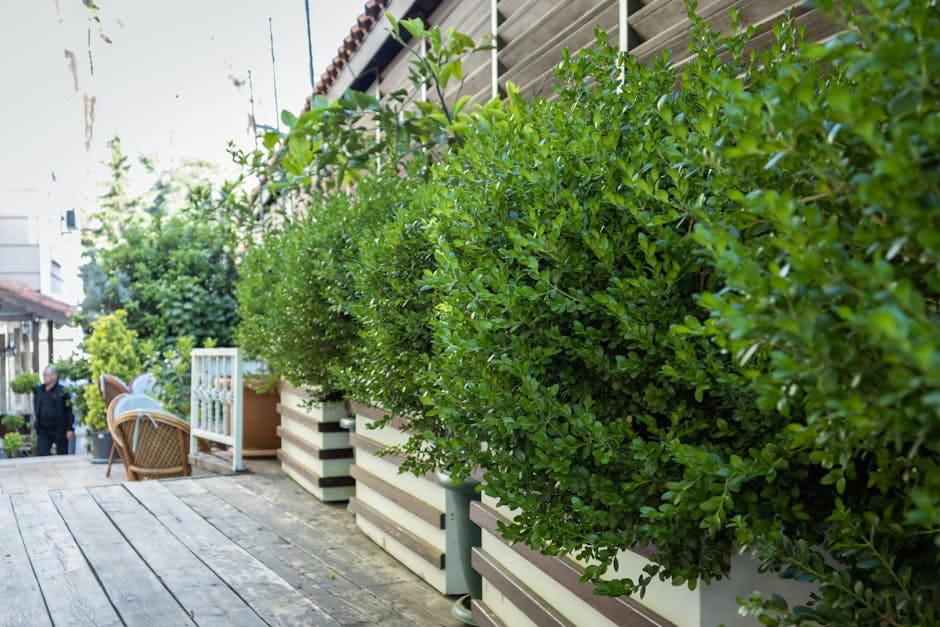
If you live on or near Hatch End High Street and your outdoor space is more of a snug terrace than a sprawling garden, you already know the challenge. A small terrace can be lovely, but it can also become cluttered, shaded, thirsty, overgrown, or just a bit awkward to manage. That is where Hatch End High Street garden care services for small terraces make a real difference. They are designed to keep compact spaces neat, healthy, and genuinely usable, not just "tidy enough for now".
Truth be told, a small terrace asks for a different approach. One wrong pruning cut, a heavy-handed clear-out, or a planting choice that swallows half the patio and the whole balance feels off. The good news? With the right maintenance routine, a small terrace can look sharper, feel calmer, and work harder than many larger gardens. Below, you will find a practical guide to what these services involve, how they work, what to expect, and how to choose the right support for your space.
For readers who want a broader view of the company's work, you can also browse the services overview, or read more about the team on the about us page. That can be useful if you are comparing options and want a feel for the service before booking.
Contents
- Why Hatch End High Street garden care services for small terraces Matters
- How Hatch End High Street garden care services for small terraces Works
- Key Benefits and Practical Advantages
- Who This Is For and When It Makes Sense
- Step-by-Step Guidance
- Expert Tips for Better Results
- Common Mistakes to Avoid
- Tools, Resources and Recommendations
- Law, Compliance, Standards, or Best Practice
- Options, Methods, or Comparison Table
- Case Study or Real-World Example
- Practical Checklist
- Conclusion
- Frequently Asked Questions
Why Hatch End High Street garden care services for small terraces Matters
Small terraces can look simple from the street, but they are often surprisingly demanding. You may be dealing with narrow access, limited sunlight, pots that dry out too quickly, fences that collect moss, or planting that has outgrown its welcome. In a compact garden, every square metre counts, so maintenance is not just about appearances. It is about keeping the space functional and enjoyable.
That matters even more in a local setting like Hatch End, where many homes have modest outdoor areas that need careful, regular attention rather than occasional big interventions. A small terrace can become a morning coffee spot, a place for herbs, a safe play area, or a quiet evening retreat. But only if it is kept in balance.
Let's face it: most people do not need a grand redesign. They need a terrace that stops feeling like a chore. They want paving free of slippery growth, pots that are not collapsing into each other, hedging that does not swallow the light, and planting that looks intentional rather than accidental. A good care routine does all of that without making the garden feel overworked.
There is also a value side to this. A tidy, healthy terrace tends to photograph better, feel more inviting, and stay easier to manage over time. For homeowners, landlords, and anyone preparing a property to be seen at its best, that can make a quiet but noticeable difference.
Practical takeaway: On a small terrace, garden care is less about doing more and more about doing the right things, in the right order, with a steady hand.
How Hatch End High Street garden care services for small terraces Works
In most cases, the service starts with a quick look at the space and a conversation about what you want from it. That sounds basic, but it matters. A terrace used for morning tea needs a different plan from one that is mostly decorative, and a rental property may call for a different level of resilience than a family garden with herbs, climbers, and a few ambitious pots.
A typical visit usually begins with assessment. The gardener or maintenance team checks plant health, drainage, access, soil condition, the state of hard surfaces, and any safety issues. On a small terrace, that assessment is often quite detailed because problems hide in plain sight. A pot might be root-bound, a climber might be tugging at a fence panel, or a shaded corner might need a completely different planting approach.
After that comes the maintenance plan. This may include pruning, deadheading, weeding, sweeping, mowing if there is a tiny lawn section, hedge trimming, feeding, repositioning containers, clearing debris, or refreshing mulch. If a terrace needs a reset, it may also involve garden clearance to remove neglected growth or accumulated waste before regular upkeep begins.
Some properties benefit from a one-off tidy-up followed by scheduled visits. Others need seasonal work, especially in spring and autumn when growth and leaf fall can suddenly change the whole look of the space. If the terrace borders a side return or a small rear garden, a maintenance routine can be combined with broader garden maintenance so the whole outdoor area stays consistent.
What should you expect in practice? Not drama. Good garden care for a small terrace should feel measured, tidy, and sensible. No unnecessary stripping back, no overdone shaping, and no strange "before and after" transformation that leaves the garden bare and a bit sad. A well-kept terrace still looks alive.
Key Benefits and Practical Advantages
There are plenty of reasons small terrace owners choose ongoing care rather than trying to stay on top of everything themselves. Some are obvious, some are less so. Here are the ones that tend to matter most.
- Better use of limited space: Small terraces need structure. Regular care keeps pathways clear, seating areas usable, and planting in proportion.
- Healthier plants: Consistent watering guidance, pruning, and feeding help plants cope with containers and shallow soil.
- Less clutter: A compact garden fills up quickly. Good maintenance stops it from becoming visually crowded.
- Safer surfaces: Moss, wet leaves, and compacted debris can make paving slippery. That is worth dealing with properly.
- More light and air: Trimming back overgrowth can make a terrace feel brighter and less boxed in.
- Lower stress: You do not need to keep wondering what is dying, leaning, or blocking the fence line. Someone else has it in hand.
- Better seasonal rhythm: A terrace that is maintained through the year tends to respond better to weather changes, especially in exposed urban settings.
There is a subtle but important advantage too: small terraces often look better with restraint. You do not need every square inch packed with plants. In fact, leaving breathing room can make the whole place feel more expensive, more peaceful, and more deliberate. That is one of those things people notice without always knowing why.
Who This Is For and When It Makes Sense
This kind of service is a strong fit for several groups. You may recognise yourself in one of these:
- Busy homeowners who want a neat terrace without spending weekends wrestling weeds and tangled stems.
- Older residents who want to keep the garden looking good but prefer not to handle lifting, pruning, or repetitive upkeep.
- Landlords and property managers who need outdoor spaces to present well for tenants or viewings.
- New residents who have inherited a terrace that is slightly chaotic and want a fresh start.
- Plant enthusiasts who enjoy the garden but want help with the heavier or more technical tasks.
It also makes sense when the garden feels like it is slipping out of control a bit at a time. Maybe the pots are too crowded now. Maybe the climbers are reaching the neighbours. Maybe the patio has become a leaf trap. Those are all normal issues. Small terraces tend to drift, not collapse all at once, so it is easy to put things off until the job feels bigger than it really is.
If you are unsure whether you need a one-off reset or ongoing help, start by asking one question: do you want the space to stay maintained, or do you just want it rescued? That answer usually points you in the right direction.
Step-by-Step Guidance
Here is a straightforward way to approach small terrace garden care without overcomplicating it.
- Assess the space honestly. Look at what is thriving, what is failing, and what is simply in the wrong place. Do not feel guilty about removing plants that no longer suit the space. Gardens change. That is normal.
- Clear the obvious problems first. Remove dead growth, broken pots, fallen leaves, and any clutter that blocks access. A small terrace often feels better after this stage alone.
- Prune with restraint. Cut back crowded stems, remove dead or damaged wood, and keep an eye on anything that shades out smaller plants.
- Check drainage and watering. Pots dry fast in summer, but can become waterlogged in winter if they sit badly or lack proper drainage holes.
- Refresh the surface. Sweep paving, edge planting areas, and top up mulch or decorative stone if needed. This gives the terrace a cleaner finish.
- Rebalance planting. Place taller or denser plants where they will not dominate the whole space. On a tiny terrace, one oversized shrub can throw everything off. It happens more than people admit.
- Set a maintenance rhythm. Decide whether the space needs weekly, fortnightly, monthly, or seasonal attention. Small terraces often benefit from regular, light-touch visits rather than rare big sessions.
- Review the result after a week or two. You will often notice things you missed at first, like one container that sits awkwardly or a patch that needs more light.
As a rule, the best results come from steady care, not heroic effort. Nobody needs to spend an entire Saturday fighting a rosemary bush that has developed opinions of its own.
Expert Tips for Better Results
Small terraces reward careful observation. A few practical habits make a bigger difference than people expect.
Work with the light you actually have
Urban terraces can be shaded by walls, fences, neighbouring buildings, or even a mature tree nearby. If a plant needs full sun, do not keep hoping it will "perk up" in a dark corner. Move it. Better yet, choose plants that suit the conditions you really have, not the ones you wish you had.
Use repetition to make the space feel calmer
Too many plant varieties can make a small terrace feel busy. Repeating two or three plant types, or using matching pots, can create a much more settled look. That does not mean boring. It means coherent.
Keep a little empty space
This is one of the most underrated tips. Blank space helps the eye rest. It also gives you room to water, prune, and move around without knocking into everything. On a compact terrace, that breathing room is gold.
Prioritise containers that suit the scale
Very large pots can overwhelm a small terrace. Very small pots dry out too fast. Medium-sized containers often strike the best balance. If you are using tall pots for privacy or structure, make sure they are positioned so they do not create a tunnel effect. There is a helpful discussion of container planting ideas in the blog piece on tall potted plants for a tranquil private patio.
Make maintenance easier for yourself
Choose containers that can be reached without twisting your back into knots. Group similar plants together. Keep tools close to the door or shed. Tiny practical choices save time every week. It is boring advice, perhaps, but it works.
Common Mistakes to Avoid
A lot of terrace problems come from good intentions that went a bit sideways. Here are the mistakes we see most often.
- Overplanting: Too many plants in a small space can create shade, moisture issues, and a crowded feel.
- Using the wrong pruning approach: Cutting back too hard, or at the wrong time, can weaken the plant and leave awkward gaps.
- Ignoring drainage: Water sitting in pots or against paving can cause root problems and slippery surfaces.
- Choosing style over practicality: Beautiful containers are great, but if they are impossible to move or maintain, they become a burden.
- Leaving clearance work too long: Once climbers, hedges, or self-seeded growth take over, the job becomes heavier and less enjoyable.
- Expecting every plant to thrive everywhere: Sun, shade, wind, and soil conditions matter. A terrace has its own microclimate. Funny little world, really.
One common mistake deserves special mention: trying to "save everything". In a small terrace, there is often value in editing the planting scheme. A cleaner, healthier layout usually beats a cluttered collection of struggling plants. That can feel a little ruthless at first, but it often leads to a calmer, more attractive result.
Tools, Resources and Recommendations
You do not need a van full of equipment to maintain a small terrace properly, but the right basics help a lot. Here is a sensible shortlist.
| Tool or resource | Why it helps | Best use on a small terrace |
|---|---|---|
| Bypass secateurs | Clean pruning cuts on live stems | Deadheading, shaping, light trimming |
| Hand trowel | Useful for potting and replanting | Refreshing containers and topsoil |
| Stiff brush and broom | Removes debris and surface dirt | Keeping paving neat and safer underfoot |
| Watering can or hose with gentle flow | Controls watering more accurately | Container plants and delicate beds |
| Gloves and kneeling pad | Comfort and protection | Short maintenance sessions that still involve work on the ground |
| Compost and mulch | Improves soil cover and moisture retention | Pot refreshes and small beds |
For related services, some terraces also benefit from hedge work or more structural improvements. If you have a boundary hedge that is stealing light, hedge trimming can make a surprisingly big difference. And if the space needs more of a transformation than routine care, landscape gardening or broader landscaping may be worth exploring.
If your terrace also has a small lawn strip, a regular lawn mowing schedule keeps it from dominating the rest of the space. It sounds obvious, but neglected grass can make even a tiny garden feel messy very quickly.
Law, Compliance, Standards, or Best Practice
For most terrace garden care, the main considerations are not legal drama but sensible best practice. Still, there are a few things worth keeping in mind, especially if the work involves neighbours, access, waste, or safety.
First, if plants or hedges grow near boundaries, it is sensible to avoid causing nuisance or damage to neighbouring property. Overhanging growth, blocked light, and fallen debris are common sources of friction. Good maintenance reduces the odds of awkward conversations over the fence. Nobody wants that on a Wednesday morning.
Second, if any clearance work produces significant green waste, it should be handled responsibly. Many providers separate recyclable green material where practical and dispose of waste in line with normal local expectations. If sustainability matters to you, ask about recycling and disposal practices. You can also look at the provider's recycling and sustainability approach.
Third, safety matters. Tool use, ladder work, and the handling of branches or heavy containers should be done with appropriate care. If a job is beyond a simple tidy-up, good providers should have clear standards around risk management and site safety. A sensible starting point is the site's health and safety policy and insurance and safety information.
Finally, payment terms, service scope, and complaint handling should be clear before work begins. That is not being fussy. That is just good practice. If you want to understand how a business handles these practicalities, the payment and security page, complaints procedure, and terms and conditions can help set expectations.
Options, Methods, or Comparison Table
Different terrace gardens need different levels of attention. Here is a simple comparison to help you decide what kind of support makes sense.
| Approach | Best for | Strengths | Watch-outs |
|---|---|---|---|
| One-off tidy-up | Overgrown or neglected terraces | Quick reset, immediate visual improvement | Needs follow-up or the problem often returns |
| Regular maintenance | Busy homeowners and landlords | Consistent, manageable, predictable results | Requires a continuing schedule |
| Seasonal visits | Small gardens that mostly stay in shape | Good value for lighter upkeep needs | May not be enough in peak growth periods |
| Full redesign plus care | Terraces with poor layout or failed planting | Longer-term improvement, better structure | Usually more involved and needs a bigger brief |
For many small terraces, the sweet spot is a regular maintenance plan with occasional heavier work when the season demands it. That usually gives the best balance between cost, effort, and appearance. If the space is already difficult to use, a clear-out first may be the smarter move before anything else.
Case Study or Real-World Example
A practical example helps here. Picture a compact terrace off Hatch End High Street: a narrow paved area, three sizeable pots, one tired climber, and a patch of moss beginning to creep across the slabs after a damp spell. It is not a disaster. It is just starting to feel a bit neglected.
The first visit would likely focus on clearing debris, cutting back dead growth, removing the worst of the moss, and checking whether the containers are in the right place. One pot may be moved out of the corner because it has been sitting in shade too long. Another might need a fresh top layer of compost and a lighter pruning on its stems.
Then comes the subtle part. The terrace is not stripped bare. Instead, the planting is balanced so there is enough open space to walk through, water, and sit down without feeling boxed in. The climber is trained rather than hacked. The paving is cleaned but still looks natural. After that, a simple routine is set: light visits during the growing season, then a more careful tidy in autumn.
The result is not flashy. But it feels better every single day. That is the point, really. A small terrace should feel easy to live with.
Practical Checklist
Use this checklist if you are getting ready to book help or tidy your terrace yourself.
- Identify the main problem: clutter, overgrowth, shade, poor drainage, or weak planting
- Check whether you need a one-off reset or regular care
- Remove dead leaves, broken pots, and obvious debris
- Inspect paving, steps, and access points for slip or trip risks
- Review all containers for drainage, size, and plant health
- Cut back only what needs cutting back; avoid heavy-handed pruning
- Make sure plants suit the available light and wind exposure
- Decide how often the space should be maintained
- Ask about waste handling and recycling practices
- Confirm scope, timing, and expectations before work begins
If you can tick most of those boxes, you are already well on your way. Small terraces respond quickly to good care. Honestly, sometimes a single tidy session changes the whole feel of the place.
Get a free quote today and see how much you can save.
Conclusion
Hatch End High Street garden care services for small terraces are about much more than keeping things neat. They help turn compact outdoor spaces into places that feel calm, workable, and pleasant to use. With the right mix of clearance, pruning, surface care, planting judgement, and ongoing attention, even a very small terrace can become one of the best parts of a home.
The main thing to remember is that small spaces need proportion, not excess. They benefit from regular attention, honest decisions, and a bit of restraint. That is what keeps them looking good month after month, not just for the first week after a tidy-up.
And if your terrace has been getting on top of you a little, that is fine. It happens. Start small, get the basics right, and the rest tends to follow.
Frequently Asked Questions
What do garden care services for small terraces usually include?
They usually cover pruning, deadheading, weeding, sweeping, container care, light planting adjustments, and sometimes hedge or lawn work if those features are part of the space. For neglected terraces, a clearance step may come first.
How often should a small terrace be maintained?
That depends on the planting, amount of shade, and how often the space is used. Many small terraces do well with regular light maintenance during the growing season and a more seasonal approach in quieter months.
Can a small terrace look good without lots of plants?
Yes, absolutely. In fact, too many plants can make a small terrace feel busy and cramped. A simpler planting scheme often looks sharper and is easier to manage.
Is it worth booking professional help for a tiny garden?
If the space is hard to access, overgrown, or needs ongoing upkeep, professional help can save time and prevent avoidable mistakes. Tiny gardens can be surprisingly fiddly.
What is the difference between garden maintenance and garden clearance?
Garden maintenance is ongoing care that keeps the space in good shape. Garden clearance is more of a reset, removing overgrowth, debris, and accumulated waste before regular care can begin.
Do small terraces need special plants?
They need plants that match the conditions, especially light, wind, and container size. The best choice is usually not the fanciest one, but the one that will actually thrive in that exact spot.
Will maintenance damage my plants if they are already stressed?
It should not, if it is done carefully. In stressed gardens, the key is light-touch work: remove dead material, improve conditions, and avoid over-pruning or sudden drastic changes.
What should I ask before booking a service?
Ask what is included, how waste is handled, whether the service is one-off or recurring, and how the team manages safety and access. Clear expectations save a lot of bother later.
Can terrace garden care help with slippery paving?
Yes, it often can. Regular sweeping, removal of wet debris, and treatment of moss or algae-related buildup can make paving safer underfoot. That said, some surfaces may need more targeted attention depending on their condition.
What if my terrace is mostly containers and no beds?
That is very common. Container-only terraces still benefit from pruning, deadheading, watering checks, re-potting, and seasonal refreshes. Pots need care just as much as beds, maybe more.
How do I know whether I need maintenance or a redesign?
If the structure is sound but messy, maintenance may be enough. If the layout does not work, plants keep failing, or the space feels awkward no matter how tidy it gets, a redesign may be the better long-term move.
Is there a good time of year to start?
Spring is often a strong starting point because growth picks up and the terrace can recover quickly. That said, any time is workable if the garden needs help. Sometimes the right time is simply now.
For anyone wanting a compact outdoor space to feel useful again, careful terrace care is one of the simplest wins available. And there is something quietly satisfying about that, really.