Same day gardeners Hatch End for urgent garden clearance
When a garden suddenly becomes a problem, you do not always have the luxury of waiting until next week. Maybe you have a tenancy handover tomorrow, a broken fence panel has left debris everywhere, or the back garden has tipped from "needs a tidy" into "this is getting out of hand". That is where Same day gardeners Hatch End for urgent garden clearance becomes genuinely useful. It is fast, practical help for the moments when a garden needs clearing quickly, safely, and without fuss.
This guide explains how same-day garden clearance usually works in Hatch End, who it suits, what to expect, and how to avoid the common mistakes that slow everything down. If you need the job done with less stress and more certainty, you are in the right place.
Table of Contents
- Why Same day gardeners Hatch End for urgent garden clearance Matters
- How Same day gardeners Hatch End for urgent garden clearance Works
- Key Benefits and Practical Advantages
- Who This Is For and When It Makes Sense
- Step-by-Step Guidance
- Expert Tips for Better Results
- Common Mistakes to Avoid
- Tools, Resources and Recommendations
- Law, Compliance, Standards, or Best Practice
- Options, Methods, or Comparison Table
- Case Study or Real-World Example
- Practical Checklist
- Conclusion
- Frequently Asked Questions
Why Same day gardeners Hatch End for urgent garden clearance Matters
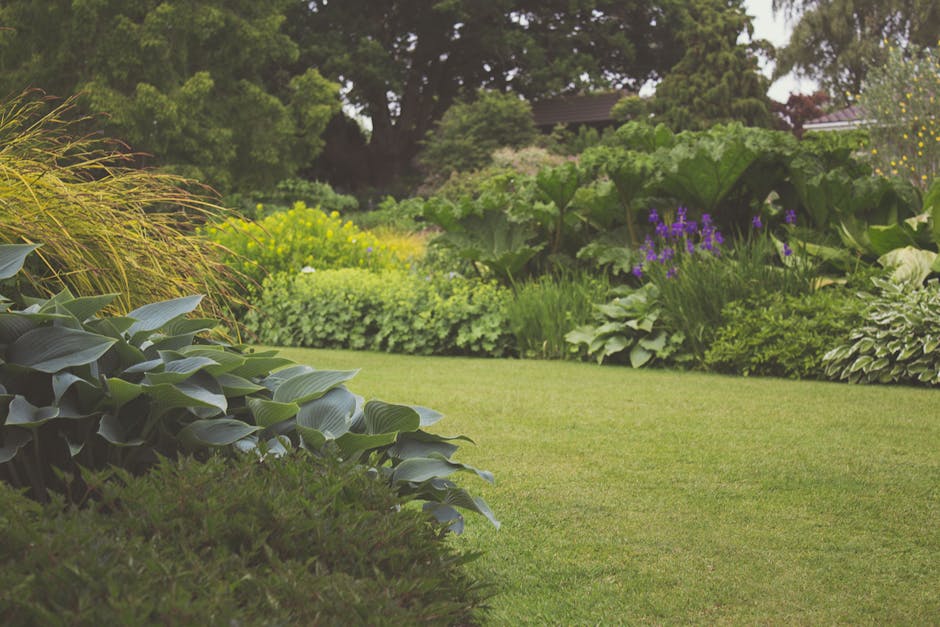
Urgent garden clearance is not just about making things look neat. Often, it is about regaining control of a space before a deadline, an inspection, a sale, or just a bit of peace of mind. In Hatch End, where many gardens have mature planting, hedges, and awkward access, a quick tidy can turn into a much bigger job than expected. Leaves pile up. Brambles spread. Old pots, broken timber, and green waste start to feel like they have multiplied overnight. They have a way of doing that, don't they?
A same-day service matters because delay tends to make garden problems worse. Damp cuttings become slippery. Overgrown edges can hide trip hazards. A messy front or rear garden can also affect how a property is viewed, especially if you are preparing for viewings, moving day, or a landlord check-out. Sometimes the issue is simple embarrassment. Truth be told, that is reason enough for many people.
There is also a safety angle. If a storm has scattered branches, if a tree is leaning after high winds, or if long grass is obscuring hidden debris, a quick response helps reduce risk. When needed, a broader clearance may also involve related services such as tree lopping and removal, hedge trimming, or even follow-on work from regular garden maintenance.
Expert summary: Same-day garden clearance is most valuable when speed, safety, and presentation all matter at once. It is not only a convenience service; it is often the fastest route back to a usable outdoor space.
How Same day gardeners Hatch End for urgent garden clearance Works
The process is usually simpler than people expect. Most urgent clearances follow a practical sequence: you explain the problem, the team assesses the likely scope, they confirm whether same-day attendance is possible, and then they arrive with the right tools and disposal plan. In a decent operation, there is no drama. Just a clear run-through and a clean finish.
Because the work is time-sensitive, the first conversation matters a lot. A quick photo or short description can help a gardener judge the size of the job. Is it a light clearance after pruning? Or is the garden full of heavy waste, tangled growth, and items that need separating before removal? The answer affects how many people are needed and how long the job may take.
In urgent cases, some jobs are completed in one visit, while others are split into a clearance phase and a follow-up tidy. That depends on access, volume, and what the waste contains. For example, a straightforward overgrown lawn and border clear-up is very different from a garden containing damaged timber, soil heaps, and dense shrub cuttings.
If the clearance is part of a bigger outdoor refresh, it may sit alongside lawn mowing, landscaping, or landscape gardening. The key thing is to match the service to the actual problem, not the other way round.
Key Benefits and Practical Advantages
Same-day garden clearance delivers more than speed. It gives you a workable space again, and that has knock-on benefits that are easy to underestimate when the garden is in a mess.
- Fast visual improvement: The garden looks more manageable almost immediately.
- Reduced stress: A looming deadline feels less sharp once the mess is being dealt with.
- Safer access: Clearing blocked paths, loose branches, and hidden waste helps reduce trip hazards.
- Better property presentation: Useful for move-outs, sales, lettings, and family visits.
- Less DIY strain: No need to spend a whole weekend wrestling with heavy green waste.
- Proper waste handling: Waste can be sorted and removed in a more orderly way than a rushed home clear-up.
There is a quieter benefit too: momentum. Once the worst of the clutter is gone, the rest of the garden starts to feel fixable. You see what needs doing next. That psychological shift can be surprisingly powerful. One morning the space looks impossible; by the afternoon, it looks workable. That matters.
For some homeowners, a same-day clearance is the first step before a more considered improvement plan. If that is you, it can be sensible to look at services like services overview to understand how clearance fits into ongoing upkeep and longer-term outdoor improvements.
Who This Is For and When It Makes Sense
This kind of service is useful for a broad range of people, not just those dealing with a dramatic garden emergency. In practice, same-day clearance tends to be the right choice when time pressure and visible mess collide.
It often makes sense for:
- homeowners preparing for a sale or valuation
- landlords needing a property ready between tenancies
- tenants who must return a garden in acceptable condition
- families coping with an inherited property or long-neglected outdoor space
- busy professionals who simply cannot fit a large clearance into their week
- people dealing with storm damage, fallen branches, or sudden overgrowth
It is also a sensible route if the job feels unsafe or physically beyond what you want to tackle alone. A pile of damp cuttings, thorny growth, and broken offshoots can be more awkward than it looks. Let's face it, garden waste has a way of hiding surprises.
If your garden has a few annoying edges rather than a major build-up, then a lighter intervention may be enough. For ongoing upkeep, a routine service such as garden maintenance often prevents the need for repeat emergencies in the first place.
Step-by-Step Guidance
If you want the smoothest possible same-day outcome, it helps to think like the person doing the job. A little preparation saves time. And time is the whole point here.
- Describe the problem clearly. Say what needs clearing, how urgent it is, and whether access is straightforward.
- Share photos if you can. A few images of the front gate, side access, and main problem area help a lot.
- Point out obstacles. Mention locked gates, narrow side returns, bins, parked cars, fragile planting, or water features.
- Be honest about volume. If there is more waste than you first thought, say so. No embarrassment needed.
- Ask what is included. Clarify whether removal, loading, and disposal are part of the visit.
- Check timing. Same-day does not always mean instant, so ask for a realistic arrival window.
- Keep the working area accessible. Move bikes, toys, and loose items before the team arrives if you can.
- Confirm any follow-up work. If the garden needs hedges cut, turf cut, or further shaping, make that clear early.
The best same-day jobs are usually the ones where the homeowner has already decided what matters most. Is it clearing the whole area? Or just getting it tidy enough for a deadline? If you know the answer, the work becomes much more efficient. Not perfect, just better. And that is often enough.
Where a garden has thick hedge growth or woody borders, it can be useful to combine the clearance with hedge trimming or, for more substantial overgrown sections, tree lopping and removal. That avoids leaving the space half-finished.
Expert Tips for Better Results
A quick response is only useful if the end result is actually neat and manageable. These are the small details that make a big difference.
- Prioritise access first. If a gardener can reach the worst area easily, the job moves much faster.
- Separate valuables from waste. Old garden furniture, tools, ornaments, or planters can get mixed in if you are not careful.
- Identify anything that needs special handling. Large branches, soil, rubble, and treated timber may need different treatment.
- Ask for the boundaries of the job. It is better to know whether the service includes just clearance or also an immediate tidy-up.
- Think about the next stage. Clearing an overgrown plot is useful, but it is even better when you know what comes next.
In our experience, the smoothest jobs are the ones where the client says, "Just get it back under control today." Clear instruction, no fuss. Gardens respond well to that kind of honesty.
If the space has a decked area that has become cluttered or unsafe, it may be worth looking at decking services as part of a wider repair-and-refresh plan. A clearance without follow-on thinking can leave the garden looking tidier, but not truly sorted.
Common Mistakes to Avoid
Urgency makes people rush, and rushing is where avoidable problems begin. The goal is fast, yes, but not careless.
- Underestimating the amount of waste. A few bags can turn into a trailer-load very quickly.
- Leaving access to chance. If the team cannot get through a side passage or gate, time is lost immediately.
- Assuming all clearance is the same. Green waste, mixed waste, and heavy debris are not handled identically.
- Skipping the photo step. A couple of images can prevent a misunderstanding about scale.
- Forgetting about future maintenance. If the garden overgrows again in a month, the root issue was never really solved.
Another common mistake is asking for a "quick tidy" when what you actually need is a full clearance. Those are different jobs. A tidy is trimming and neatening. A clearance is removal, sorting, and proper disposal of accumulated material. Mixing the two up can leave everyone slightly frustrated.
And if you are in a hurry because of a landlord inspection or end-of-tenancy deadline, be extra careful with last-minute assumptions. A tidy-looking surface can still hide a lot of waste at the back. The camera never lies, as they say, and gardens are no different.
Tools, Resources and Recommendations
For a professional clearance, the right tools are what keep the job efficient and clean. You do not need to become a gardener yourself to understand the basics, though. A bit of familiarity helps you judge the job better.
| Tool or Method | Best For | Why It Helps |
|---|---|---|
| Heavy-duty bags and tubs | Loose clippings, leaves, small cuttings | Keeps the site tidy and makes loading easier |
| Secateurs and loppers | Smaller pruning and bramble control | Good for controlled cutting without tearing plants apart |
| Hedge cutters | Large hedge faces and fast trimming | Saves time on dense growth |
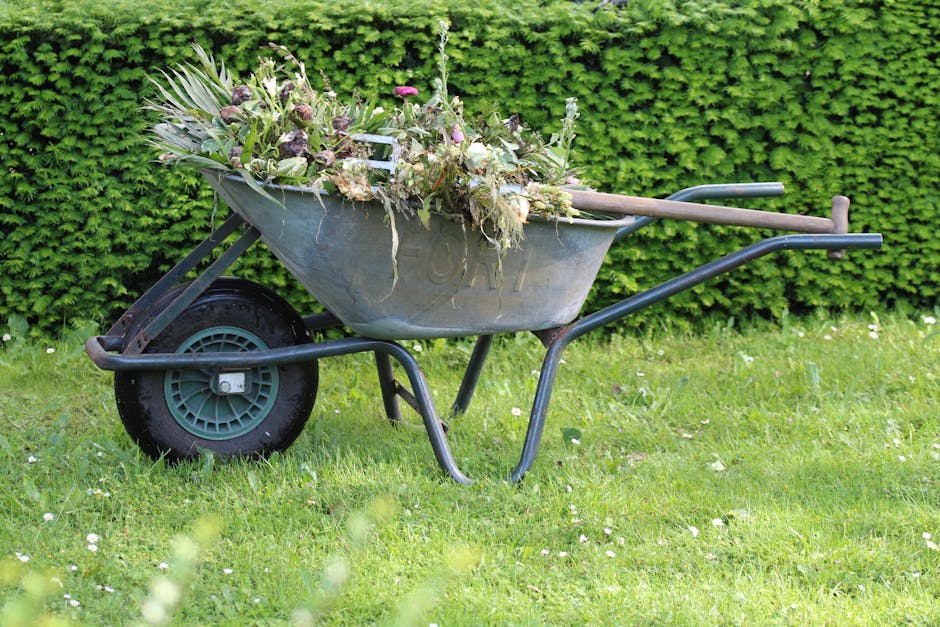
| Wheelbarrow or carry system | Moving waste through narrow access | Useful in Hatch End gardens where access can be tight |
| Brushes and blowers | Final clean-up | Leaves patios, paths, and driveways looking finished |
For most customers, the best recommendation is not a gadget. It is clarity. Know what is being cleared and what is being left in place. If the garden needs a bigger rethink after the clearance, a combination of landscaping and ongoing care may be the better next step.
You can also review practical details such as pricing and quotes and recycling and sustainability so you have a better sense of how the service is handled from start to finish. Those pages help set expectations, which is underrated. Very underrated.
Law, Compliance, Standards, or Best Practice
Garden clearance can involve waste handling, safety awareness, and care around property boundaries, so it is worth approaching it with proper standards rather than shortcuts. In the UK, the exact legal responsibilities can vary depending on what is being removed and how it is disposed of. So it is sensible to keep the wording practical: professional clearance should be carried out safely, with waste sorted and handled responsibly.
Good practice typically includes:
- avoiding damage to boundary fences, paving, and planting beds
- keeping walkways clear while work is underway
- separating green waste from mixed waste where appropriate
- using suitable protective equipment for sharp, thorny, or heavy material
- taking care with ladders, cutting tools, and awkward access points
It is also sensible to choose a provider that treats insurance and safety seriously. That is not a boring admin box to tick; it is what protects you if something goes wrong. A responsible business should be able to explain how it approaches safety and risk, and why. You can see how that is framed on the site's insurance and safety information and health and safety policy.
If you are sharing access details, payment details, or personal information when booking, it is also sensible to understand the company's approach to payment and security and privacy policy. That is just good housekeeping, really.
Options, Methods, or Comparison Table
Not every garden problem needs the same level of response. The right choice depends on urgency, size, and how much work you want to do yourself.
| Option | Best For | Pros | Limitations |
|---|---|---|---|
| DIY same-day clearance | Very small jobs and light waste | Low cost, immediate control | Time-consuming, physically demanding, disposal can be awkward |
| Partial professional tidy | Overgrown areas needing fast attention | Good balance of speed and cost | May not solve deeper build-up |
| Full urgent clearance | Large, cluttered, or inspection-sensitive gardens | Fast, thorough, more reliable for deadlines | Requires more resources and planning |
| Clearance plus maintenance plan | Gardens that keep becoming overgrown | Prevents repeat emergencies | Needs a longer-term commitment |
For many Hatch End households, the best answer is not extreme. It is a clear-out first, then a sensible maintenance rhythm after that. That may include occasional mowing, hedge work, or a tidying schedule that keeps things from sliding back again.
Case Study or Real-World Example
Imagine a modest rear garden in Hatch End that has been left alone for a few months. The lawn is knee-high in patches, a hedge has flopped into the path, and there are several bags of old cuttings, a broken planter, and some storm debris under a tree. Nothing dramatic on its own. Put together, though, it has become a proper problem.
The owner needs the garden ready before guests arrive the following evening. So the brief is simple: clear the worst of it today, make the path safe, and leave the space presentable. A same-day team starts by opening access, cutting back the worst of the growth, removing waste, and doing a final sweep so the patio is not left with gritty debris. If the hedge is too unruly to finish neatly in one go, it gets reduced to a manageable shape and scheduled for proper follow-up trimming later.
What changed? Not just the appearance. The garden became usable again. The owner could step outside without worrying about hidden rubbish or a twisted ankle on the path. That is the real value. Not perfection. Just relief.
Sometimes the smallest wins are the best ones. A clean path, a clear corner, sunlight reaching the patio again. You can almost hear the place exhale.
Practical Checklist
Use this before you book same-day help, or before the gardeners arrive.
- Take a few clear photos of the garden from different angles.
- List what must be cleared today and what can wait.
- Check gate width, side access, and parking arrangements.
- Move bikes, toys, tools, and fragile items out of the way.
- Flag any sharp debris, broken glass, or fallen branches.
- Decide whether you want a quick clearance only or a clearance plus tidy finish.
- Ask if hedge, lawn, or tree work should be added at the same visit.
- Make sure you understand the next step if the garden still needs more work afterwards.
Quick reminder: the more clearly you define the job, the better the result tends to be. That simple.
Get a free quote today and see how much you can save.
Conclusion
Urgent garden clearance is one of those services you do not think much about until you really need it. Then it becomes all you can think about. Same-day gardeners in Hatch End are useful because they solve the immediate problem quickly, but the best ones also help you understand what comes next, whether that is a one-off tidy, a full clearance, or a more regular maintenance plan.
If your garden is overdue for attention, do not wait for the mess to become the whole story. Start with the area that matters most, get it under control, and build from there. A garden does not have to be perfect to feel better. It just has to be usable again. And that is often closer than it looks.
Frequently Asked Questions
What counts as urgent garden clearance?
Urgent garden clearance usually means a job that needs handling quickly because of a deadline, safety concern, or sudden build-up of waste. Common examples include overgrown lawns, storm debris, broken branches, and gardens that need to be ready for inspections or move-outs.
Can same-day gardeners in Hatch End really come out today?
Sometimes, yes. Same-day attendance depends on workload, travel timing, and the size of the job. A smaller or clearer brief is usually easier to fit in than a large clearance with difficult access.
What information should I send when requesting a same-day visit?
Send a short description, a few photos, access details, and any deadlines. It also helps to mention whether you want a full clearance, a tidy-up, or related work such as hedge trimming or mowing.
Is urgent garden clearance different from regular garden maintenance?
Yes. Garden maintenance is about keeping a space under control over time, while urgent clearance is about dealing with a sudden or accumulated problem quickly. One prevents the other, which is the neat part of it.
What kinds of waste are usually removed during clearance?
Typically, green waste such as branches, clippings, leaves, weeds, and overgrowth is removed. Some clearances also include broken planters, damaged timber, and other garden clutter, depending on the job.
Do I need to tidy the garden before the gardeners arrive?
No, but making access clear is helpful. Moving small items, unlocking gates, and pointing out obstacles can save time. You do not need to pre-clean the garden. That would be a bit backwards, really.
How do I know if I need clearance or landscaping?
If the garden mainly needs waste removed and the space opened up, clearance is probably the right starting point. If you want to reshape the area, alter levels, add structure, or redesign the layout, landscaping is more appropriate.
Can a same-day job include hedge or tree work?
It can, if the work is suitable for the visit and the team has the right time and tools. Sometimes hedge trimming or tree lopping is best combined with clearance, especially where growth has started to dominate the garden.
What should I ask about safety and insurance?
Ask how the work is managed safely, whether the company has suitable insurance, and how they deal with access, tools, and waste handling. A professional team should be able to explain this in plain English.
How can I avoid needing urgent clearance again?
A sensible maintenance routine helps a lot. Regular mowing, seasonal hedge trimming, and light garden maintenance stop small issues becoming large ones. It is much easier to stay ahead of the garden than to rescue it every time it runs away from you.
What if the garden is too overgrown for one visit?
Then it may need to be tackled in stages. A first visit can restore access and remove the worst of the waste, followed by a second pass for finer detailing or follow-up maintenance. That is often the most realistic approach.
Where can I learn more about related services and business information?
You can review the site's services overview, about us, and contact us pages for broader context and next steps.